
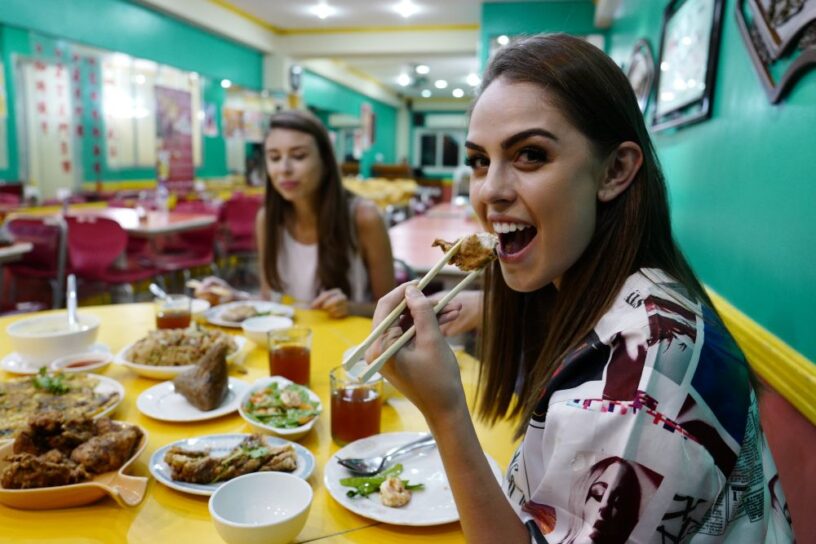



Domestic travel is a powerful catalyst for building lifelong connections among Filipinos. Every journey creates opportunities to connect—with people, places, traditions, and shared stories. Traveling across the archipelago strengthens national identity through shared cultural experiences, culinary discoveries, and friendships forged around the table. These personal bonds ultimately transform many local travelers, be they couples, barkadas, or entire families, into passionate ambassadors who organically drive nationwide tourism growth.
As the Philippine Travel Mart (PHILTOA), the country’s largest and longest-running travel trade exhibition and consumer fair promoting domestic tourism, celebrates its 37th year from September 4 to 6, 2026 at SMX Convention Center, SM Mall of Asia, Pasay City, with the theme “Nurturing the NextGen Tourism,” writer and food historian Ige Ramos and Michelin-selected chef Chele Gonzalez, a Philippine-based Spanish national who considers the country his second home, provide us with insights on how local travel fosters connectivity and a deeper understanding of the Philippines and fellow Filipinos.
Since both Ramos and Gonzalez deal directly with food, they anchor their observations on how local cuisine becomes a bridge between hosts and visitors. Pride in one’s culinary heritage and the curiosity it sparks among travelers create genuine human connections that often outlast the journey itself, inspiring repeat visits and deeper appreciation for the places they discover. That same pride and curiosity, in turn, trickles down to the discovery of ingredients and ways of cooking that are unique to a particular place.
Multi-generational travelers
And while Western countries have seen the rise of couples and solo travelers, the Philippines still has its fair-share of multi-generational travelers, Ramos observed. Instead of staying in hotels, these big groups have expressed a growing preference for Airbnb homestays.
“This arrangement, which is part of the growing experience economy, allows them to interact with locals—from homeowners and market vendors to neighborhood cooks—turning simple transactions into conversations and strangers into meaningful connections.” Ramos explained. “Not only does it save them money, but it also allows them to interact with locals, from homeowners to market vendors, leading to surprising discoveries in terms of local ingredients and cooking methods.”
“What was once deemed exotic to outsiders is slowly becoming part of the mainstream,” he continued. “For locals, of course, these ingredients and cooking methods have always been part of their culture. Something they take pride in.”
And through these initial discoveries, barriers begin to disappear. Connections are established not simply through tasting unfamiliar dishes, but through the conversations, generosity, and shared experiences that accompany every meal. Ramos cited as an example his travels to Mindanao as a boy with his parents and their extended family in the 1970s. Before the advent of fast food, they feasted almost daily during their trip on authentic and home-cooked Iranun and Maranao cuisines, and these have left an indelible mark on him.
Those early family travels did more than broaden Ramos’ palate—they shaped the way he related to fellow Filipinos across regions.
“To this day, when I go to a certain place within the country, I see people there as Filipinos and not as people defined by their region,” he said. “What I tasted a long time ago during that trip to Davao, wasn’t Mindanaoan, but Filipino food. It’s how I was brought up.”
Magical and mind-blowing
Gonzalez, during his initial research on Filipino cuisine, describes meeting and interacting with Filipino indigenous groups such as the Aetas of Central Luzon and the Tagbanuas of Palawan, two of his earliest deep dives into the Philippine countryside, as “magical and mind-blowing.”
While the Aetas, for instance, cook their food using bamboo, the Tagbanuas of Coron Island, apart from harnessing food from the sea, have managed to subsist through generations by cultivating various root crops. Such discoveries impressed upon him the two worlds that co-exist in the Philippines: “One is centered in Metro Manila and other big urban areas; and the other, in remote areas in the provinces,” he said.
“They showed me how proud these people are of their heritage and how, perhaps after thousands of years, they have managed to live and co-exist with nature,” Gonzalez added. “Everywhere I went, people in these remote places are extremely kind and at the same time proud of their culture and regional cuisines, down to the ingredients they use and their ways of cooking.”
Those first encounters did more than inspire culinary exploration. They built lasting connections with communities whose generosity, traditions, and knowledge reshaped his understanding of the Philippines and encouraged him to continue discovering its many regions.
“I don’t know why everyone seemed to have this obsession with Chilean seabass,” Gonzalez said, recalling his early days as a chef in Manila.
There’s nothing wrong with it, per se, he added, but why go for something sourced from the opposite side of the world, when the Philippines, which is a biodiversity hotspot, teems with its own bounties from the sea.
But that was nearly 20 years ago. Thanks to a growing number of Filipinos who take pride in their respective culinary heritage, the situation today has started to change, he said. And this pride and insistence that “there’s nothing wrong with our food,” in turn, have made Filipinos more adventurous and appreciative in trying each other’s regional cuisines. Deeper, more meaningful connections have thus been established through food.
“When you bite into something that is different and it represents culture, you are not just eating flavors, you are imbibing culture, heritage, and history,” said Gonzalez. “Something handed down by one’s lola, an heirloom dish, can’t be replicated commercially.”
Since everyone gathers around food, mealtimes naturally become spaces where visitors and hosts exchange stories, share traditions, forge friendships, and build lasting connections that often become the most memorable part of any journey.
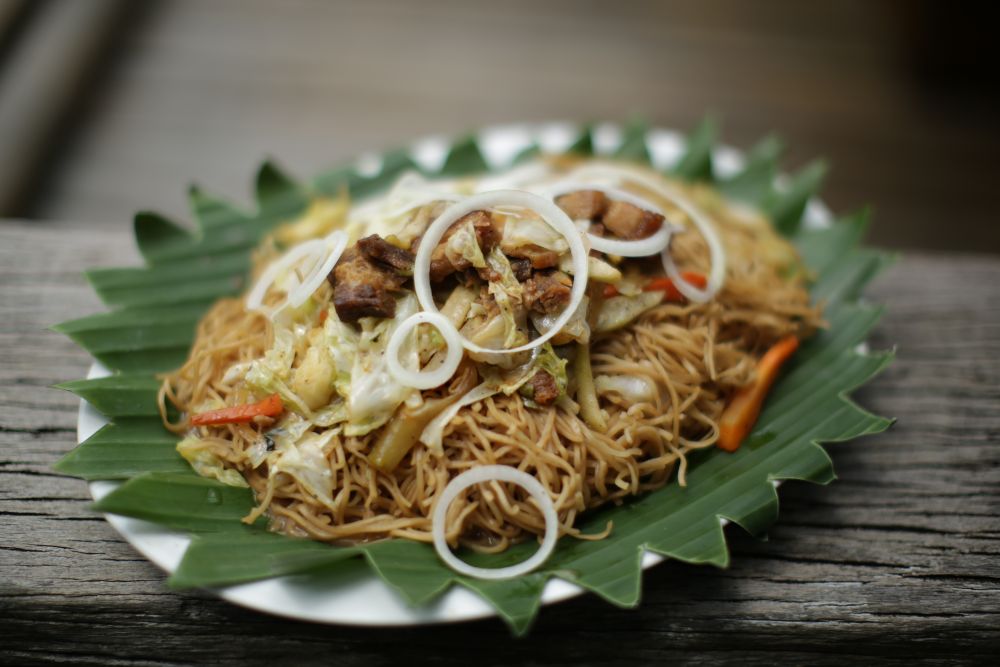
Culinary tourism
Which brings us to culinary tourism’s unique role in preserving local traditions while strengthening the connections between travelers and the communities that welcome them. Every meal enjoyed locally supports not only livelihoods, but also the stories, traditions, and relationships that keep these culinary legacies alive.
“I think it’s already there, embedded in our culture,” said Ramos. “If a certain dish is consumed, it won’t die. To preserve certain ingredients, including those that are almost extinct, people, both within the community and visitors, would have to consume them to create a demand.”
A classic example, Ramos cited, are the batchoyan shops of Iloilo. There was a time when demand for it dipped, leading to fewer restaurants offering it. For some reason, it enjoyed a renaissance in the early 2000s, which continues to this day, resulting in the opening of more restaurants offering their brand of batchoy.
Philtoa, for its part, has its ears on the ground, heeding and responding to various travel-related developments all over the country.
“As we mount the 37th Philippine Travel Mart, we are both proud and hopeful about the role we continue to play in strengthening domestic tourism,” says Philtoa president Malou F. Jason.
Philtoa’s three-day event this September, with “Discover Your Philippines” as its overall campaign, will gather various exhibitors representing tour operators and travel agencies, hotels, resorts, airlines, and transport providers, Local Government Units and other travel hospitality-related brands and services. The Department of Tourism is giving its full support with all the agency’s administrative regions taking part in the travel fair.
“This year’s theme reflects our commitment to supporting a more resilient, inclusive and forward-looking industry,” Japson adds. “At a time when many Filipinos are more mindful of travel costs, exploring our own destinations remains one of the most meaningful ways to reconnect—with our fellow Filipinos, our shared heritage, and the communities that make every destination unique—while recharging ourselves and contributing to the local economy.”
The 37th Philippine Travel Mart
The stories of connection shared by travelers, tourism stakeholders, and local communities reflect what PHILTOA hopes to cultivate through this year’s theme, “Nurturing the NextGen Tourism: Discover Your Philippines.” More than encouraging Filipinos to travel, the association envisions a tourism industry that creates lasting value—one that is sustainable, embraces digitalization, promotes inclusivity, and supports health and wellness for both visitors and host communities. By strengthening these connections, every journey becomes an opportunity not only to experience the Philippines more deeply, but also to help build a more resilient and future-ready tourism industry.
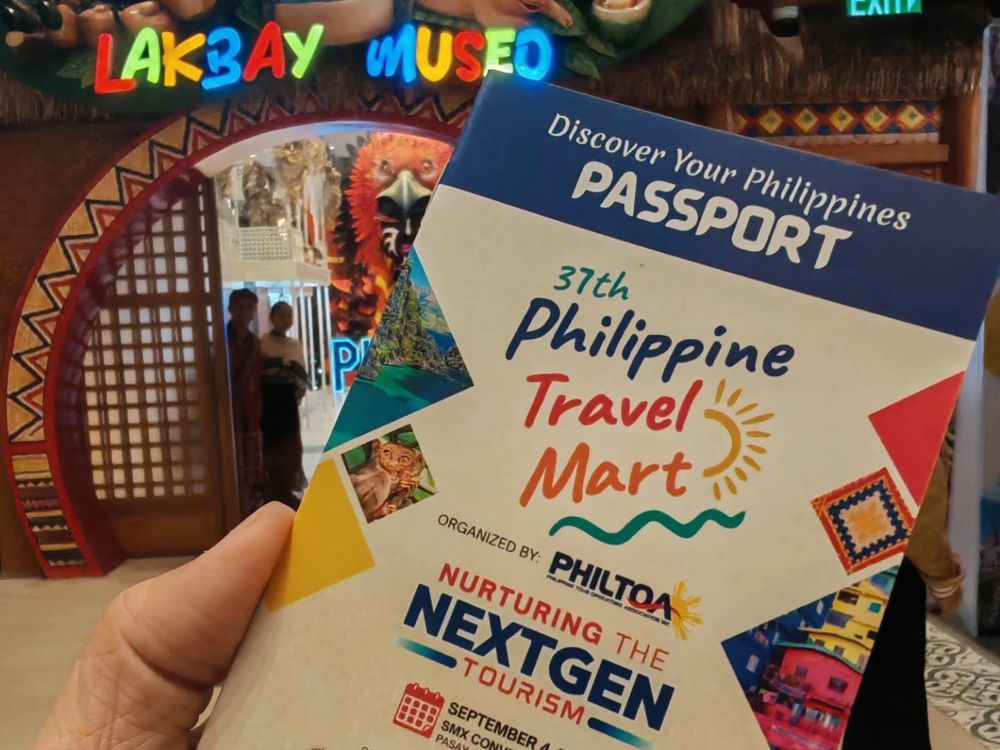
Those eager to forge their own meaningful travel connections are invited to the 37th Philippine Travel Mart, happening September 4–6, 2026, at the SMX Convention Center Manila. The country’s longest-running travel fair brings together hundreds of tour operators, hotels, resorts, airlines, tourism boards, and travel service providers, offering exclusive deals and inspiring destination ideas from across the Philippines. Admission is Php 120, with discounted rates available to senior citizens in accordance with existing government regulations. Whether you’re planning your next weekend getaway or your next great adventure, the Philippine Travel Mart is the perfect place to begin your journey and Discover Your Philippines.
The 37th Philippine Travel Mart is made possible through the generous support of official credit card partner EastWest Bank, official airline partner Philippine Airlines, and media partners, AsianTraveler, Chinoy TV, DiscoverMNL, Hospitality News Philippines, Lakbay Magazine, Malaya Business Insight, Negosentro Media Group, OurAwesomePlanet, SPOT.ph, WhenInManila.com, and others to be announced. Their continued partnership helps amplify PHILTOA’s advocacy for domestic tourism and inspire more Filipinos to embrace the vision of Nurturing NextGen Tourism: Discover Your Philippines.

- From Remittance to Insurance: Palawan Group’s Consumer-Led Approach Wins Gold - September 20, 2026
- Nadine Lustre and Apl.de.Ap Just Dropped Their DONUTS Music Video - September 20, 2026
- VALORANT Dev Update: New Automatic Rifle, Experimental Game Mode, and Ranked Overhauls - September 20, 2026


























Leave a Reply