



They say that summer in Japan may feel like a full-contact sport if you’re in one of the busiest cities like Tokyo. If you prefer a much more serene, off-the-beaten-path destination, then pack your bags and head on to the northern region of Japan, Tohoku.
A hidden frontier, Tohoku is a gem of the north, delivering everything you love about summer travels. This is one of Japan’s best-kept secrets known for its scenic views, mountainous landscapes, historically rich festivals, and mesmerizingly deep snow in winter. Not to mention, its top-tier sake and local seafood production that’s definitely a hit.
Curious to experience it firsthand? This five-day escape through Akita and Aomori is proof that summer in Tohoku is one bucket-list moment you’ll want to check off sooner rather than later.
Day 1: From Tokyo to Akita, A Soft Launch Into Summer
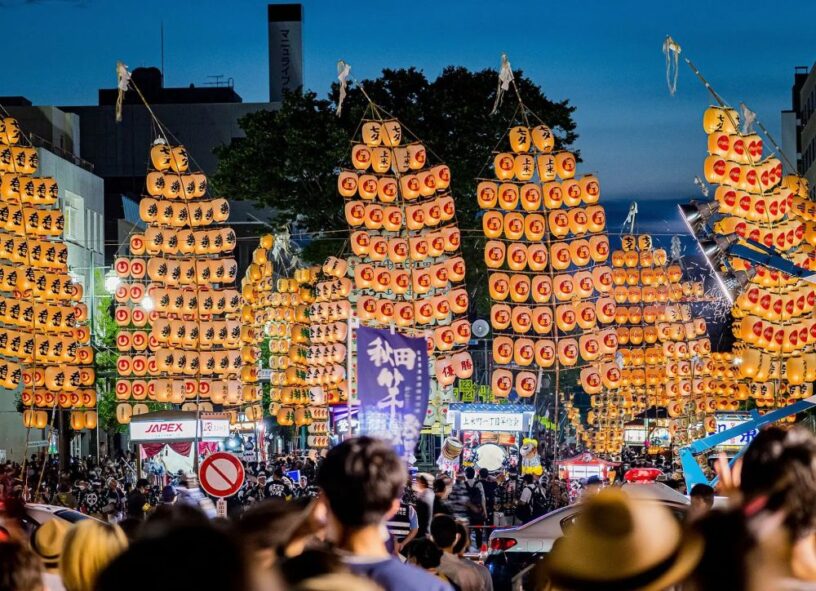
Coming from Tokyo, it’ll take you 3 hours and 40 minutes if you ride the Akita Shinkansen. But if you want a much faster travel time, it’s only a 1 hour and 5 minutes flight away. Yet no matter how long the journey is, once you reach Akita, you’ll notice that the air feels lighter, literally and figuratively. Start slowly by exploring the Akita City Center as you stroll your way into the wide streets and river views of northern Japan. Walk along the Nichomebashi Bridge and through the Sanno Jujiro Crossroads to experience the famous Akita Kanto Festival route.
If you’re visiting in early August, this is where gravity-defying lantern poles take over the streets during the Akita Kanto Festival.
Later on, head out to Nyudozaki, a windswept cape where the sea of Japan stretches endlessly ahead—perfect for those who love the ocean breeze and the sweet sound of the waves crashing on the rocky shore.
Accommodation: Try to book around Akita Station for convenience and an easy morning start. You can choose hotels like the Dormy Inn Akita Natural Hot Spring if you love onsen or Toyoko Inn Akita-eki Higashi-guchi for a more budget-friendly option.
Day 2: Akita’s Greatest Hits, Samurai Streets to Sapphire Lakes
Day two is where you explore the beauty of Akita from morning to evening.
Experience a deeper, more authentic Japan by walking through the Kakunodate Samurai Street. This area is full of wooden homes lined with shady paths once believed to be walked by warriors. In summer, the trees soften the sunlight, with leaves in beautiful forest green and yellowish hues.
Then it’s off to Dakigaeri Gorge, a pristine blue-green mountain stream where emerald waters cut through dramatic cliffs. It’s an unspoiled primeval woodland, the kind of place that makes you stop mid-photo and just stare for a second.
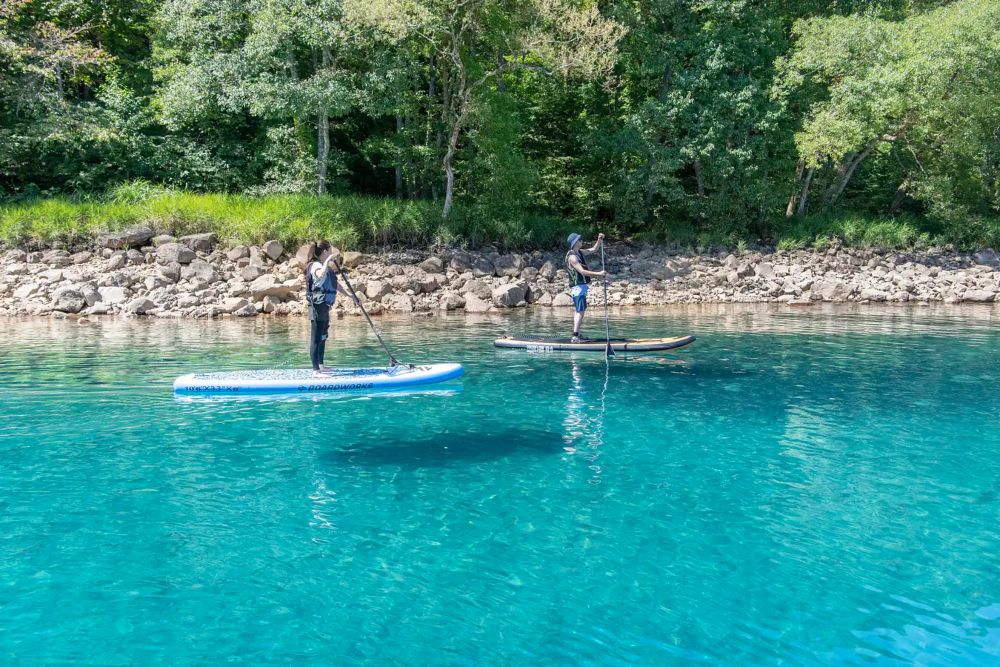
To complete your day, head on to Lake Tazawa, known as Japan’s deepest lake. This body of water is famous for its unreal blue color and quiet, reflective atmosphere.
Dinner is a full-on Akita affair with delicious must-tries such as the Kiritanpo (grilled rice skewers), Inaniwa udon (silky, hand-stretched noodles), Iburi-gakko (smoked daikon pickles), and Hatahata (Akita’s iconic sandfish, often grilled or in soup), served at decades old local restaurants.
Day 3: From Akita to Aomori, Trains, Traditions, and Lantern Celebrations
Taking your adventure further, take a scenic 3 hours train ride from Akita Station to Shin-Aomori Station via limited express train.
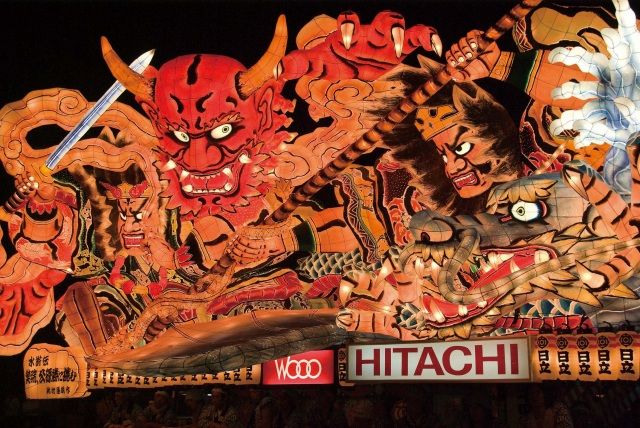
Once you reach the Aomori Bay area, walk across the Aomori Bay Bridge during golden hour and take in the captivating horizon of this waterfront district. Dive straight into local culture at the Nebuta Museum WA RASSE, a city-owned museum known for its striking red metal slats exterior and illuminated festival float installations in dedication to the Aomori Nebuta Festival.
Aomori doesn’t do subtle things when it comes to its most famous fruit, the apple. So pop into A-Factory and explore the Aomori-produced apple cider workshop slash souvenir market.
If you’re in town between August 2 to August 7, then you definitely want to be a part of the Aomori Nebuta Festival. This cultural event turns the city into a moving, glowing spectacle, with drums, dancers, and luminous lanterns all around the city.
Accommodation: For hassle-free travel, it’s best to book within the Shin-Aomori Station or Aomori Station area for smooth connections. Go for hotels like the Toyoko Inn Shin-Aomori-eki Higashi-guchi, Relabo Medical Spa and Stay, or Iroha Ryokan for an authentic Japanese experience.
Day 4: Discover Aomori’s Wild Side
Wear your best outdoor shoes, this is nature day—and Aomori does not hold back.
Immerse yourself in the blissful alpine scenery, deep forests, and hiking trails at Towada-Hachimantai National Park. There are also riverside walks where you could see the spectacular Lake Towada and the Oirase Gorge.
In here, you’ll experience healing hot springs to bathe in, lakes to canoe on and vast mountains to trek. You can also do backcountry skiing and snowshoeing in colder months.
No visit to Aomori is complete without sampling its local specialties. Start with Ichigo-ni or “strawberry soup”, a delicate and traditional soup with fresh sea urchin (uni) and abalone simmered in a clear, salty broth.
And don’t miss the region’s famed Aomori apples, impossibly crisp and sweet, delicious on their own or in mouthwatering desserts. It’s the perfect way to refuel while exploring this scenic northern gem.
Day 5: From Scenic Aomori, Back to Bustling Tokyo and Manila
The perfect way to end a trip is to hop on to the Tohoku Shinkansen for a smooth and scenic 3 hours return to Tokyo. But if you’re short on time, you can take the plane for only a 1 hour and 20 minutes flight.
You’ll come back to Tokyo sun-kissed, well-fed, and full of fascination, as you head home to Manila, after discovering a side of Japan many summer travelers often miss.
Additional Recommendations:
Nestled in Iwate Prefecture, you’ll find the Hanamaki Onsen. This is one of Tohoku’s ultimate hot spring getaways. Along the river, you’ll find 12 unique springs known as the Hanamaki 12 Tou. Hanamaki promises a blissful mix of relaxation, culture, and breathtaking natural scenery, whether you’re soaking in the luxe comforts of big resorts like Koyokan and Senshukaku or a more rustic riverside bath at Osawa Onsen. It’s the perfect spot to unwind, recharge, and soak in a little slice of Japanese tradition.
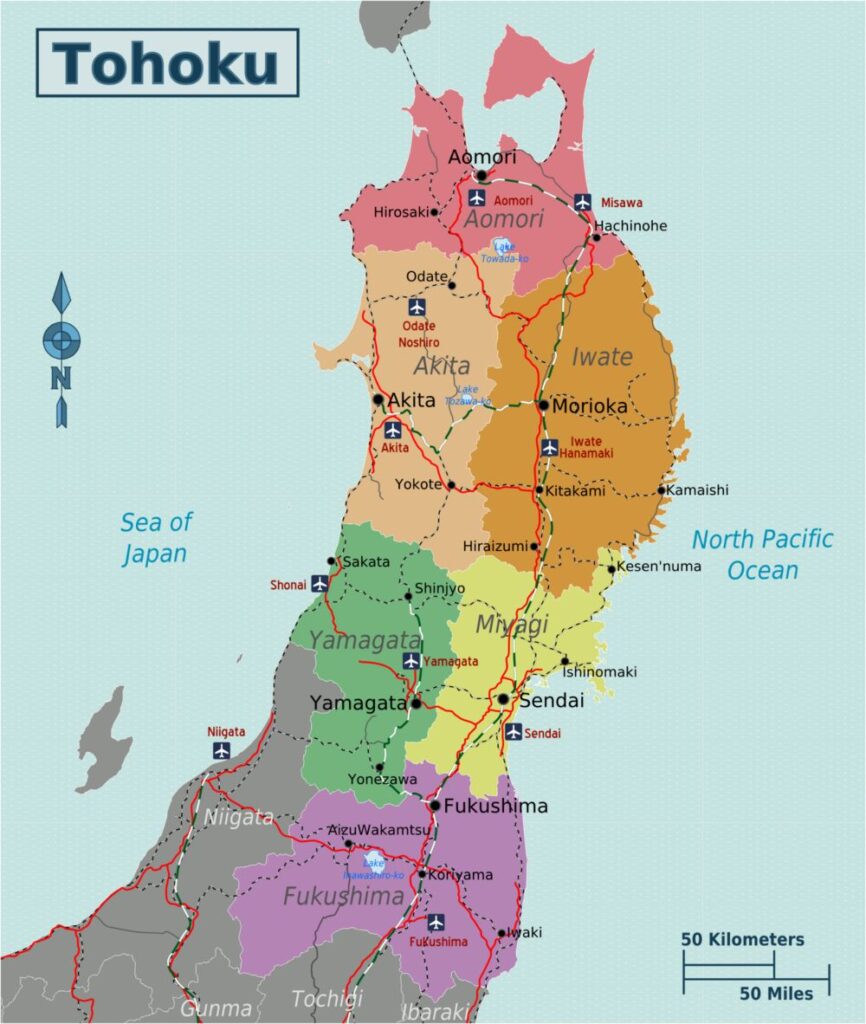
So why does summer in Tohoku work? This picturesque region has cooler weather, fewer crowds, dreamlike festivals, and nature so striking it doesn’t need a filter. Here, summer isn’t about racing from one highlight to the next. It’s about slowing down, basking in the sight of beauty, and letting the days breathe.

- SmarTrade Encourages Financial Vigilance as “Ber” Months Begin - October 16, 2026
- OPPO Find X10 Series to Launch Globally on October 21 with Next-Generation True-to-Life Imaging - October 16, 2026
- Toshiba Lifestyle’s Journey to Japan: A Celebration of Craftsmanship, Culture, and Discovery - October 15, 2026























Leave a Reply