
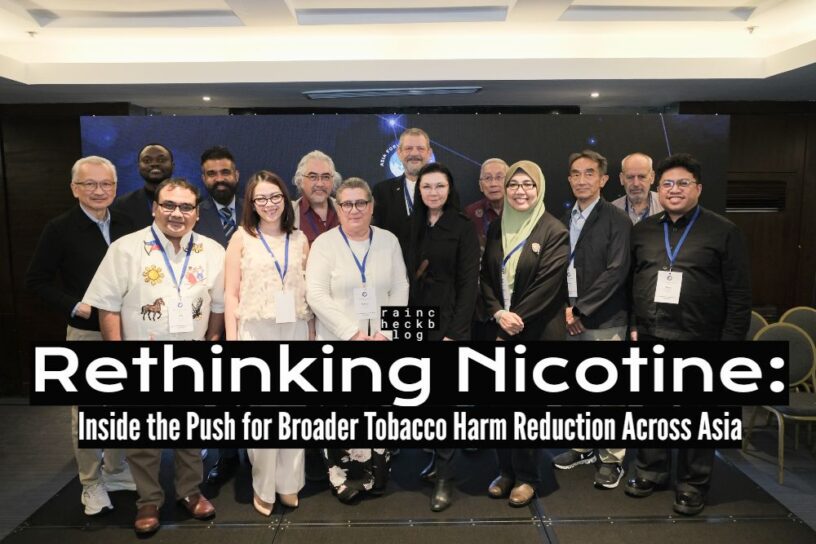



When public health experts, medical professionals, and consumer advocates gathered at the Astoria Hotel in Ortigas for the Asia Forum on Nicotine (AFN) 2026, the message was direct and urgent: millions of adult smokers across the globe—and particularly in Asia—are being left behind by outdated, prohibitionist public health policies.
Convened by the Coalition of Asia Pacific Tobacco Harm Reduction Advocates (CAPHRA) in partnership with regional groups like the Harm Reduction Alliance of the Philippines (HARAP), The Vapers Philippines, and the Malaysia Society for Harm Reduction, AFN 2026 served as a crucial hybrid melting pot for 18 experts from 12 countries. Their collective goal? To bring ground-level data, case studies, and real-world consumer experiences out of the shadows and straight into the global tobacco harm reduction (THR) debate.
At the heart of the forum was the unveiling of the Asia Pacific Declaration—a landmark call to action urging health ministers and public health officials within the World Health Organization (WHO) South-East Asia and Western Pacific regions to legalize, regulate, and champion safer nicotine alternatives for adult smokers.
The Background: Who is CAPHRA and What is the Philippine Landscape?
To understand why forums like AFN 2026 are vital, we have to look at the regional and national frameworks governing nicotine today.
- CAPHRA (Coalition of Asia Pacific Tobacco Harm Reduction Advocates): Operating as a regional alliance of consumer advocacy groups, CAPHRA works to ensure that the voices of adult consumers who have successfully transitioned away from deadly cigarettes are heard by policymakers. They champion the “right to health” through science-based risk reduction rather than ideological bans.
- The Philippine Policy Context: The Philippines has carved a unique path in the region. With the passage of Republic Act No. 11900 (the Vaporized Nicotine and Non-Nicotine Products Regulation Act), the country transitioned into a regulated market. Rather than forcing underground markets through outright bans, RA 11900 implements a comprehensive regulatory framework: it sets strict age verification gates (banning sales to minors under 18), mandates child-resistant packaging, regulates flavors and online trade, and imposes graphic health warnings, all while establishing clear rules under the Department of Trade and Industry (DTI) and the Bureau of Internal Revenue (BIR). It serves as a regulatory blueprint for how a nation can protect youth while keeping alternatives accessible to adult smokers.
The Hidden Danger: Why Combustibles Remain Public Enemy Number One
To appreciate harm reduction, one must first understand the enemy. Decades of extensive medical research confirm that it is not nicotine that kills millions of people annually; it is combustion.
When a conventional cigarette is burned, it generates toxic smoke containing thousands of chemicals, including heavy metals, carbon monoxide, and dozens of known carcinogens. Tar and toxic gases inhaled from burning tobacco are the primary drivers of smoking-related illnesses, such as lung cancer, chronic obstructive pulmonary disease (COPD), and cardiovascular diseases.
Nicotine itself, while addictive, is not what causes these fatal smoking-related diseases. Recognizing this distinction forms the core of the continuum of risk, which acknowledges that while absolute cessation is always the gold standard, switching completely to lower-risk, non-combustible products drastically reduces exposure to toxicants.
Global and Asian Policy Milestones: Progress vs. Prohibition
The global narrative on tobacco harm reduction is a tale of two philosophies:
- The Progressive Shift: Nations like New Zealand (historically), the United Kingdom, and the Philippines have embraced risk-proportionate frameworks. In the UK, health authorities have actively integrated e-cigarettes into smoking cessation pathways. Globally, the Global State of Tobacco Harm Reduction estimates that over 200 million people now use safer nicotine products.
- The Prohibitionist Wall: Conversely, many Asian nations maintain sweeping bans on alternatives like vapes and heated tobacco products (HTPs). Key keynote speaker Prof. Tikki Pangestu of the National University of Singapore highlighted this stark divide during his AFN 2026 address, pointing out how prohibition drives consumers back to deadly combustible cigarettes or fuels dangerous, unregulated black markets.
With COP12 (the 12th session of the Conference of the Parties to the WHO FCTC) on the horizon, the Asia Pacific Declaration serves as a practical tool for delegates to push back against anti-harm reduction dogmas and demand evidence-based policies.
What Do Recent Nicotine Studies Tell Us?
Science continues to validate the efficacy and safety profile of harm reduction tools when properly targeted:
- Risk Perception and Education: A notable body of recent research underscores that targeted educational campaigns regarding the continuum of risk effectively improve public knowledge. Studies show that when adult smokers are given accurate comparative risk data—understanding that products like vapes and nicotine pouches carry significantly lower risk than cigarettes—they are better equipped to make informed health choices.
- Youth Protection Success: Recent population surveys (such as the 2025 National Youth Tobacco Survey data in major western markets) continue to track downward trends in youth tobacco use when strict, enforcement-backed regulatory frameworks are applied. This reinforces the core argument of groups like CAPHRA: strict regulation and youth protection are not mutually exclusive; they go hand in hand. You can protect minors while providing adult smokers a lifeline.
The Bottom Line
As AFN 2026 wrapped up its groundbreaking hybrid sessions in Manila, the takeaway was crystal clear. Public health policy cannot afford to ignore scientific reality or consumer lived experiences. By replacing fear-based prohibition with smart, risk-proportionate regulation, Asian nations can pave the way toward a smoke-free future—saving millions of lives along the way.

- Rethinking Nicotine: Inside the Push for Broader Tobacco Harm Reduction Across Asia - October 19, 2026
- Rediscover the Magic: I Heart PH Takes You on an Unforgettable Journey to Hong Kong in Season 11 - October 19, 2026
- Global Pop Sensation Tate McRae Returns as a “Housewife” - October 18, 2026























Leave a Reply